Name Directory by Last Name: Gerhard Willmes - Tex Willoughby
Explore millions of names to discover rich genealogical details and uncover your family's history
Enter a name to research
Last name meanings and origins
- Willoughby
The surname Willoughby has its roots in England, deriving from the Old English elements "wulf," meaning wolf, and "by," meaning settlement or farm. This suggests that the name originally referred to a settlement associated with wolves, possibly indicating a location where wolves were prevalent or a place known for hunting.
- Willmott
The surname Willmott has its historical roots in England, with origins tracing back to the medieval period. It is derived from the Old French personal name "Guillaume," which translates to "William" in modern English, combined with the diminutive suffix "-ot," indicating "little" or "young." The name was likely introduced to England following the Norman Conquest of 1066, as many surnames were formed from given names during this time.
- Willms
The surname Willms has its historical roots in Germany, particularly as a patronymic surname derived from the given name Wilhelm, which means "resolute protector" in Old High German. The name Wilhelm was popular in medieval Germany, and as surnames began to be adopted in the late Middle Ages, variations like Willms emerged, indicating "son of Wilhelm." The surname is often associated with the regions of North Rhine-Westphalia and Lower Saxony, where many families bearing the name can trace their lineage.
- Willner
The surname Willner has its roots in the Germanic and Jewish cultures, with historical origins tracing back to the Middle Ages. The name is believed to derive from the German word "willen," meaning "to will" or "to desire," which may have been used to denote someone with a strong will or determination.
- Willmore
The surname Willmore has its historical roots in England, with its earliest appearances dating back to the medieval period. The name is believed to be derived from the Old French personal name "Guillaume," which translates to "William" in modern English, combined with the Old English word "mor," meaning "moor" or "marsh." This suggests that the original bearers of the surname may have lived near a moor or marshland, or perhaps were involved in occupations related to such landscapes, such as farming or hunting.
- Willock
The surname Willock has its historical roots primarily in England and Scotland, with its earliest appearances dating back to the medieval period. The name is believed to be derived from the Old French personal name "Willoc," which itself is a diminutive of "William," meaning "resolute protector." As a patronymic surname, Willock likely originated as a way to denote lineage, indicating "son of Willoc" or "descendant of William." Over time, individuals bearing this surname may have been associated with various occupations, including farming and trade, reflecting the agrarian and mercantile societies of the time.
- Willmot
The surname Willmot has its historical roots in England, with origins tracing back to the medieval period. It is derived from the Old French personal name "Guillaume," which evolved into the diminutive form "Willmot," meaning "little William." The name became prominent after the Norman Conquest of 1066, as many Anglo-Norman names were adopted by the English populace.
- Willott
The surname Willott has its historical roots in England, with its earliest appearances dating back to the medieval period. It is believed to be a variant of the surname Willott, which itself is derived from the Old French personal name "Guillaume," meaning "resolute protector." This connection suggests that the name may have originally been associated with individuals who were strong or protective figures within their communities.
- Willot
The surname Willot has its historical roots in medieval France, where it is believed to have originated as a diminutive form of the name "Guillaume," which translates to "William" in English. The name William itself is derived from the Germanic elements "wil," meaning "will" or "desire," and "helm," meaning "helmet" or "protection." As a result, the surname Willot can be interpreted to mean "little William" or "descendant of William." The surname first appeared in records during the 12th century, particularly in regions such as Normandy, which was known for its feudal system and the establishment of noble families.
- Willocks
The surname Willocks has its historical roots primarily in England, with its earliest appearances dating back to the medieval period. It is believed to be a diminutive form of the name William, which itself derives from the Old Germanic elements "wil" (will or desire) and "helm" (helmet or protection).
- Willon
The surname Willon has its historical roots primarily in England and France, with its earliest appearances dating back to the medieval period. The name is believed to derive from the Old French personal name "Willelmus," which translates to "William" in modern English, meaning "resolute protector." As a patronymic surname, it likely originated as a way to denote lineage, indicating "son of William." Over time, the surname became associated with various occupations, particularly in agriculture and trade, as many bearers of the name were involved in farming or local commerce.
- Willmes
The surname Willmes has its roots in Germany, where it is believed to have originated as a patronymic surname derived from the given name Wilhelm, which means "resolute protector." The name Wilhelm was popular in medieval Germany, and as surnames began to be adopted in the late Middle Ages, variations of this name, including Willmes, emerged. The surname likely developed in regions where Germanic tribes settled, particularly in areas that are now part of modern-day Germany.
- Willmon
The surname Willmon has its roots in the British Isles, particularly in England, where it is believed to have originated as a patronymic surname derived from the given name "William." The name William itself has Germanic origins, meaning "resolute protector," and was popularized in England following the Norman Conquest of 1066. Over time, the surname Willmon may have developed as a variation of the more common surname Williamson, indicating "son of William." Historically, individuals bearing this surname were often associated with various occupations, including farming and trade, reflecting the agrarian society of medieval England.
- Willoby
The surname Willoby has its historical roots in England, with its earliest appearances dating back to the medieval period. The name is believed to be derived from the Old English elements "willa," meaning "will" or "desire," and "by," meaning "farm" or "settlement." This suggests that the original bearers of the surname may have been associated with a particular farm or settlement characterized by a strong will or determination.
- Willocq
The surname Willocq has its historical roots in the region of France, particularly in the northern areas such as Picardy and Normandy. It is believed to derive from the Old French personal name "Willoc," which itself is a diminutive form of "William," meaning "resolute protector." The surname likely emerged during the medieval period, a time when surnames began to be adopted more widely for identification purposes.
- Willmett
The surname Willmett has its historical roots primarily in England, where it is believed to have originated as a locational surname. The name is thought to derive from the Old English personal name "Wilhelm," which means "resolute protector," combined with the diminutive suffix "-ett," suggesting a meaning akin to "little William" or "descendant of William." The earliest records of the surname date back to the medieval period, with variations appearing in different regions.
- Willo
The surname Willo has its historical roots primarily in Europe, with origins that can be traced back to the medieval period. It is believed to derive from the Old French word "willow," which refers to the willow tree, a symbol of flexibility and resilience.
- Willming
The surname Willming has its historical roots primarily in England, where it is believed to have originated as a locational or occupational name. The name may derive from the Old English personal name "Willem," which means "resolute protector," combined with the suffix "-ing," indicating "descendant of" or "people of." This suggests that the original bearers of the surname were likely associated with a notable figure named Willem or lived in a region connected to this name.
- Willmoth
The surname Willmoth has its historical roots in England, with origins tracing back to the medieval period. It is believed to be a variant of the name Wilmot, which itself derives from the Old Germanic personal name "Willem," meaning "resolute protector." The name was commonly used as a given name before evolving into a surname, particularly in the 13th century.
- Willnerd
The surname Willnerd has its roots in the Germanic and Anglo-Saxon traditions, with historical origins tracing back to the medieval period in Europe. The name is believed to derive from the Old High German personal name "Wilhard," which combines the elements "wil," meaning "will" or "desire," and "hard," meaning "brave" or "strong." This suggests that the original bearers of the surname may have been characterized by their strong will or bravery.
- Willmington
The surname Willmington has its historical roots in England, with its earliest appearances dating back to the medieval period. It is believed to be a locational surname, derived from places named Wilmington in Sussex and Kent.
- Willome
The surname Willome has its roots in the historical and linguistic tapestry of Europe, particularly in regions influenced by Old French and Germanic languages. It is believed to have emerged during the medieval period, with its earliest appearances likely in France and parts of the Low Countries.
- Willmont
The surname Willmont has its historical roots in England, with origins tracing back to the medieval period. It is believed to be a locational surname derived from the Old French personal name "Guillaume," which translates to "William" in English, combined with the suffix "-mont," meaning "mount" or "hill." This suggests that the name may have originally referred to individuals living near a notable hill or elevated area.
- Willougby
The surname Willoughby has its roots in England, deriving from the Old English elements "wulf," meaning wolf, and "by," meaning settlement or farm. The name first appeared in historical records in the 11th century, particularly in the region of Lincolnshire, where it was associated with various manorial estates.
- Willnow
The surname Willnow has its roots in the Germanic linguistic tradition, likely deriving from a combination of personal names or geographical features. The name may have originated in regions of Germany, where surnames often reflected local landmarks, occupations, or characteristics of the individuals.
- Willoch
The surname Willoch has its historical roots primarily in Scotland, where it is believed to have originated as a locational surname, derived from the Gaelic word "mullach," meaning "hill" or "summit." This suggests that the early bearers of the name may have lived near or on a hill, reflecting the geographical features of the Scottish landscape. Over time, the surname evolved, with variations appearing in different regions, often influenced by local dialects and linguistic changes.
- Willmson
The surname Willmson has its historical roots in England, deriving from the given name William, which itself comes from the Old Germanic elements "wil" (will or desire) and "helm" (helmet or protection). The surname first appeared in written records during the medieval period, with its earliest instances found in the 13th century.
- Willnard
The surname Willnard has its historical roots in medieval England, where it is believed to have originated as a variant of the name "Wilner," derived from the Old English elements "wil," meaning "desire" or "will," and "hard," meaning "brave" or "strong." The earliest records of the surname date back to the 12th century, with individuals bearing the name often associated with agricultural or landholding roles, reflecting the feudal system of the time. As the surname developed, it became linked to various occupations, including those of farmers and landowners, which were vital to the agrarian society of medieval England.
- Willmsen
The surname Willmsen has its roots in Germany, deriving from the given name Wilhelm, which means "resolute protector." The name is a patronymic surname, indicating lineage or descent, and it first appeared in the medieval period, particularly in regions where Germanic tribes settled. As a surname, Willmsen reflects the social structure of the time, where surnames often denoted familial connections and occupations.
- Willobee
The surname Willobee has its roots in England, with historical records suggesting its emergence during the medieval period. The name is believed to be a locational surname, derived from a place name that may have been associated with a geographical feature or a specific settlement.
- Willord
The surname Willord has its historical roots primarily in England, with its earliest appearances dating back to the medieval period. The name is believed to be derived from the Old English personal name "Wilheard," which combines the elements "wil," meaning "will" or "desire," and "heard," meaning "brave" or "hardy." This suggests that the original bearers of the surname may have been characterized by their strong will and bravery.
- Willoth
The surname Willoth has its historical roots in the Germanic regions of Europe, particularly in Germany, where it is believed to have first appeared in the medieval period. The name is thought to derive from a combination of elements that may relate to geographical features or occupations, possibly indicating a connection to a specific locality or trade.
- Willmuth
The surname Willmuth has its historical roots in medieval Europe, particularly in the Germanic regions. It is derived from the personal name "Wilhelm," which means "resolute protector" or "willful helmet." The name became popular in the 11th century, particularly after the Norman Conquest, when variations of the name began to emerge.
- Willmonton
The surname Willmonton has its historical roots in England, where it is believed to have originated during the medieval period. The name is likely derived from a combination of the Old English elements "willa," meaning "will" or "desire," and "tun," meaning "enclosure" or "settlement." This suggests that the name may have originally referred to a settlement associated with a person of will or determination, possibly indicating a leader or a landowner.
- Willos
The surname Willos has its historical roots primarily in England, where it is believed to have originated as a variant of the surname "Willis," which itself derives from the Old Norman personal name "Willelmus," meaning "resolute protector." The name first appeared in historical records during the medieval period, particularly in the 12th century, as families began to adopt hereditary surnames. Occupations associated with the name often included roles in agriculture or trades, reflecting the agrarian society of the time.
- Willodson
The surname Willodson has its roots in England, with historical origins tracing back to the medieval period. It is believed to be a patronymic surname, derived from the given name "Will," which itself is a diminutive of William, meaning "resolute protector." The suffix "-son" indicates "son of," suggesting that the name originally referred to the descendants of a man named Will or William.
- Willmeth
The surname Willmeth has its historical roots in England, where it is believed to have originated during the medieval period. The name is thought to derive from a combination of Old English elements, possibly relating to personal names or geographical features.
- Willmet
The surname Willmet has its historical roots primarily in England, where it is believed to have originated as a locational surname, derived from a place name or geographical feature. The name may have connections to the Old English elements "wil," meaning "desire" or "will," and "met," which could refer to a meeting place or a boundary.
- Willnauer
The surname Willnauer has its historical roots in Germany, where it is believed to have originated as a toponymic surname, derived from geographical features or locations. The name likely first appeared in the medieval period, with its earliest records tracing back to the 13th century.
- Willonghby
The surname Willoughby has its roots in England, deriving from the Old English elements "wulf," meaning wolf, and "by," meaning settlement or farm. This suggests that the name originally referred to a settlement associated with wolves, possibly indicating a location where wolves were prevalent or a place known for hunting.
Start your family tree for free
Start by entering a few names and MyHeritage will do the rest, so you can make meaningful discoveries

Explore historical records

Explore 1,810,427,080 census and voter list records to get a detailed snapshot of your ancestors' lives. Discover names, ages, occupations, family relationships, residences, and much more.

Explore 4,647,704,406 birth, marriage, and death records. Uncover valuable details about major family milestones and find names, dates, places, occupations, and residences of your ancestors and relatives.

Search 266,544,192 military records and discover the stories of courage and resilience in your family history. Military records include enlistment dates, ranks, locations, and even physical descriptions.







Embark on a fascinating journey to discover your family history
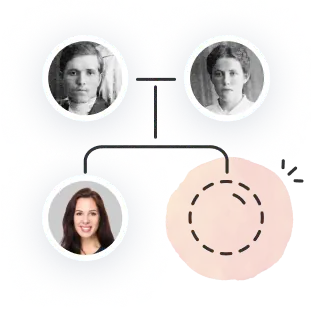
Start by adding a few names. Myheritage's automatic matching technology will help you expand your family tree and delight you with new discoveries.

Reveal your ethnic origins and find relatives you never knew existed with our simple DNA kit.
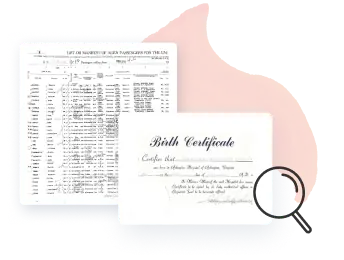
Dive into MyHeritage's international collection of 36.7 billion historical records - start with a name of an ancestor and see what our collections can reveal about your family history.
About MyHeritage

MyHeritage is the leading global platform for family history. It enriches the lives of people worldwide by enabling them to uncover more about themselves and where they belong. With a suite of intuitive products, billions of historical records, an affordable at-home DNA test, and AI-powered photo tools, MyHeritage creates a meaningful discovery experience that is deeply rewarding. The MyHeritage platform is enjoyed by tens of millions of people around the world who treasure and celebrate their heritage.