Name Directory by Last Name: Fannie Vories - Heinrich Voßkamp
Explore millions of names to discover rich genealogical details and uncover your family's history
Enter a name to research
Last name meanings and origins
- Voss
The surname Voss has its historical roots in Germany, deriving from the Middle High German word "vos," which means "fox." This surname likely originated as a nickname for someone who exhibited traits associated with the animal, such as cunning or agility, or it may have been used to denote someone who lived near a place where foxes were common. The earliest records of the surname date back to the 13th century, particularly in regions of northern Germany.
- Vos
The surname Vos has its historical roots primarily in the Netherlands and Belgium, deriving from the Middle Dutch word "vos," which means "fox." This surname likely originated as a nickname for someone who exhibited traits associated with the animal, such as cunning or agility, or perhaps for someone who lived near a place known for foxes. The earliest recorded instances of the surname date back to the 13th century, with its usage becoming more widespread in the following centuries.
- Vose
The surname Vose has its historical roots primarily in England, with its earliest appearances dating back to the medieval period. The name is believed to derive from the Old French word "vois," meaning "voice" or "to call," which may have been used to denote someone who was a herald or messenger.
- Vorobyev
The surname Vorobyev, of Russian origin, is derived from the word "vorobey," which means "sparrow" in Russian. Historically, it is believed to have first appeared in the 15th century, with roots in the Slavic tradition of using animal names as surnames, often reflecting characteristics associated with those animals.
- Voyer
The surname Voyer has its historical roots in France, deriving from the Old French word "voyer," which means "to see" or "to view." This term was often associated with individuals who held roles related to observation or oversight, such as overseers or inspectors. The surname likely emerged in the medieval period, when surnames began to be adopted more widely, particularly in the 12th and 13th centuries.
- Voyles
The surname Voyles has its historical roots in England, with its earliest appearances dating back to the medieval period. The name is believed to be derived from the Old French word "veule," meaning "a small stream" or "a brook," which suggests a geographical connection to water features.
- Vosburgh
The surname Vosburgh has its historical roots in the Netherlands, particularly in the region of Holland. The name is derived from the Dutch words "vos," meaning "fox," and "burgh," which translates to "fortress" or "town." This suggests that the name may have originally referred to a location characterized by a fox population or perhaps a settlement known for its cleverness or cunning, traits often associated with the fox in folklore.
- Voros
The surname Voros has its roots in Eastern Europe, particularly within Hungarian and Slavic contexts. Historically, it is believed to derive from the Hungarian word "voros," meaning "red," which may have originally referred to a physical characteristic, such as hair color, or to geographical features like red soil or landscapes.
- Vowles
The surname Vowles has its historical roots in England, with its earliest appearances traced back to the medieval period. It is believed to derive from the Old French word "voule," meaning "to wish" or "to desire," which was adopted into English after the Norman Conquest of 1066.
- Vosburg
The surname Vosburg has its historical roots in the Netherlands, particularly in the region of Holland. It is believed to derive from the Dutch words "vos," meaning "fox," and "burg," which translates to "fortress" or "castle." This suggests that the name may have originally referred to a location characterized by a fortified structure associated with foxes, possibly indicating a place known for hunting or a settlement where foxes were prevalent.
- Voth
The surname Voth has its historical roots primarily in Germany, where it is believed to have originated as a variant of the name "Voth" or "Vot," which may derive from the Middle High German word "vot," meaning "to be in service" or "to serve." This suggests that the name could have been associated with individuals who held roles as servants or laborers in feudal society. Over time, the surname evolved, with its bearers often linked to specific occupations or social roles, such as farming or craftsmanship, particularly in rural communities.
- Votaw
The surname Votaw has its historical roots in the early medieval period, likely deriving from the Old French or Norman influence in England following the Norman Conquest of 1066. The name is believed to be a variant of the surname "Votier," which itself may have originated from the Old French word "votier," meaning "to vow" or "to promise." This suggests that the name could have been associated with individuals who held a particular religious or social commitment, possibly linked to the roles of clergy or those involved in community service.
- Voronin
The surname Voronin has its roots in Eastern Europe, particularly in Slavic regions, where it is derived from the word "voron," meaning "raven" in Russian and other Slavic languages. This avian association may have connoted traits such as intelligence or adaptability, reflecting the characteristics attributed to the raven in various cultures.
- Vowell
The surname Vowell has its historical roots in England, where it is believed to have originated as a variant of the surname "Vowel," which itself is derived from the Old French word "vowel," meaning "to vow" or "to promise." This surname likely first appeared in the medieval period, around the 12th century, as a patronymic or occupational name, possibly associated with individuals who took vows, such as monks or those involved in religious orders. Over time, the surname evolved, with its bearers often linked to roles in the church or community leaders who upheld moral and ethical standards.
- Voris
The surname Voris has its historical roots primarily in the regions of France and England, with its earliest appearances dating back to the medieval period. The name is believed to derive from the Old French word "vorace," meaning "greedy" or "gluttonous," which may have originally been a nickname for someone with an insatiable appetite or a voracious nature.
- Vought
The surname Vought has its historical roots in the early medieval period, primarily in France and the Low Countries. It is believed to derive from the Old French word "vot," meaning "to vow" or "to promise," which may have been associated with individuals who took religious vows or were involved in ecclesiastical roles.
- Vossler
The surname Vossler has its roots in the Germanic regions of Europe, particularly in Germany, where it is believed to have originated from the Middle High German word "vos," meaning "fox." This association with the fox may have symbolized cunning or agility, traits that were valued in various social contexts. The surname likely first appeared in the medieval period, with its bearers often associated with rural occupations such as farming or hunting, where the fox was a common figure in the landscape.
- Vossen
The surname Vossen has its historical roots in the Netherlands and Belgium, deriving from the Middle Dutch word "vos," which means "fox." This surname likely originated as a nickname for someone who exhibited traits associated with the fox, such as cunning or agility, or it may have been used to denote someone who lived near a place where foxes were common. The earliest records of the surname date back to the late medieval period, with variations appearing in different regions.
- Vorster
The surname Vorster has its historical roots in the Dutch and Afrikaans-speaking communities, particularly in South Africa, where it is most commonly found today. The name is derived from the Middle Dutch word "vorst," meaning "prince" or "ruler," which reflects a noble or elevated status.
- Voronov
The surname Voronov has its roots in Eastern Europe, particularly within Slavic cultures, and is derived from the word "voron," which means "raven" in Russian and other Slavic languages. The name likely originated as a nickname or a totemic surname, reflecting the characteristics associated with the raven, such as intelligence and adaptability.
- Voshell
The surname Voshell has its roots in the early medieval period, primarily associated with the Anglo-Norman culture following the Norman Conquest of England in 1066. The name is believed to derive from the Old French "vosel," meaning "bird," which may have been used as a nickname for someone who was lively or had a particular affinity for birds.
- Vosper
The surname Vosper has its historical roots in England, with its earliest appearances dating back to the medieval period. It is believed to be derived from the Old French word "vosper," which means "a person who lives near a marsh or bog," indicating a geographical feature that may have been significant to the early bearers of the name.
- Vorontsov
The surname Vorontsov has its historical roots in Eastern Europe, particularly in Russia and Ukraine, where it is believed to have originated in the 15th century. The name is derived from the Slavic word "voron," meaning "raven," which may have been used to denote a person with a dark complexion or hair, or someone who had a connection to the bird, often associated with wisdom and mystery in Slavic folklore.
- Vosmik
The surname Vosmik has its roots in Eastern Europe, particularly within Slavic regions, where it is believed to have originated from a diminutive form of the name "Vladimir" or "Vasiliy." The name itself may derive from the Slavic word "vos," meaning "wasp," which could symbolize industriousness or a sharp character. Historically, surnames in this region often reflected occupations, social roles, or geographical features, and Vosmik may have been associated with individuals known for their agility or tenacity, traits akin to that of a wasp.
- Vorwald
The surname Vorwald has its historical roots in Germany, where it is believed to have originated as a toponymic surname, derived from the German words "vor" meaning "before" or "in front of," and "wald" meaning "forest." This suggests that the name may have originally referred to individuals living near or at the edge of a forested area. The earliest records of the surname can be traced back to the medieval period, particularly in regions of Germany where dense woodlands were prevalent.
- Vosberg
The surname Vosberg has its historical roots in Germany, where it is believed to have originated as a toponymic surname, derived from geographical features or locations. The name likely refers to a "Vos" or "Voss," which can mean "fox" in German, combined with "berg," meaning "mountain" or "hill." This suggests that the name may have been used to describe individuals who lived near a hill associated with foxes or a place characterized by such features.
- Voysey
The surname Voysey has its historical roots in England, with its earliest appearances dating back to the medieval period. The name is believed to derive from the Old French personal name "Voisier," which means "to see" or "to observe," suggesting a connection to a watchful or observant nature.
- Voyce
The surname Voyce has its historical roots in England, with its earliest appearances dating back to the medieval period. It is believed to derive from the Old French word "voix," meaning "voice," which may have been used to denote a person who was a singer or had a notable vocal talent.
- Voskamp
The surname Voskamp has its historical roots in the Netherlands, particularly in the region of North Brabant. It is derived from the Dutch words "vos," meaning "fox," and "kamp," which refers to a field or a camp.
- Vowels
The surname 'Vowels' has its historical roots in the English language, emerging during the medieval period when surnames began to be adopted for identification purposes. The name likely originated as a descriptive term, possibly referring to a person’s vocal qualities or their role in a community, such as a singer or a storyteller.
- Votipka
The surname Votipka has its roots in the Czech Republic, where it is believed to have originated from the diminutive form of the personal name Vot, which itself is derived from the Slavic name Vojtěch, meaning "brave warrior" or "he who brings joy." The surname likely first appeared in the medieval period, as surnames became hereditary in the 13th and 14th centuries. Historically, individuals bearing the surname Votipka may have been associated with agricultural or artisan occupations, reflecting the agrarian society of the time.
- Voter
The surname Voter has its historical roots primarily in the context of medieval Europe, particularly in regions where the feudal system was prevalent. The name is believed to derive from the Old French word "voteur," which translates to "voter" or "one who expresses a choice," reflecting a role in communal decision-making or governance.
- Vosgien
The surname Vosgien has its historical roots in the Vosges region of northeastern France, an area known for its mountainous terrain and rich cultural heritage. The name is derived from the Latin term "Vosegus," which refers to the Vosges mountains, suggesting that the original bearers of the surname were likely inhabitants of this geographical area.
- Vorst
The surname Vorst has its historical roots in the Netherlands and Germany, deriving from the Middle Dutch word "vorst," which means "prince" or "ruler." This term was often used to denote nobility or individuals of high social standing, suggesting that the early bearers of the surname may have held positions of authority or influence within their communities. The surname likely emerged during the medieval period, when surnames began to be adopted more widely, and it may have been associated with specific geographical features or localities, particularly in regions where Dutch and German cultures intersected.
- Vorwerk
The surname Vorwerk has its historical roots in Germany, where it is believed to have originated as a toponymic surname, referring to individuals who lived near or worked on a "Vorwerk," which translates to "outlying farm" or "forework." This term was commonly used in medieval times to describe agricultural estates that were often associated with larger manorial systems. The name likely first appeared in the 13th century, as feudal systems began to take shape, and it became associated with those who managed or worked these farms.
- Vote
The surname "Vote" has its historical roots primarily in the English-speaking world, with its earliest appearances traced back to the medieval period. The name is believed to derive from the Old French word "vote," meaning "to wish" or "to choose," which reflects a connection to the act of voting or making a choice.
- Vox
The surname Vox has its historical roots in the Latin word for "voice," which suggests a connection to communication or perhaps a role in society related to speaking or conveying messages. The surname likely emerged in medieval Europe, particularly in regions influenced by Latin culture, such as Italy and parts of France and Spain.
- Voroshilov
The surname Voroshilov has its roots in Eastern Europe, particularly within Slavic cultures, and is most commonly associated with Russia and Ukraine. The name is derived from the word "voroshil," which can be linked to the Old Slavic term for "to speak" or "to talk," suggesting that the original bearers of the name may have been involved in occupations related to communication or leadership, such as orators or community leaders.
- Vousden
The surname Vousden has its roots in England, particularly in the southeastern regions, where it is believed to have originated during the medieval period. The name is thought to derive from the Old French "vous," meaning "you," combined with "den," which may refer to a valley or a secluded place.
- Vouillon
The surname Vouillon has its historical roots in France, particularly in the regions of Normandy and Brittany. It is believed to derive from the Old French word "vouiller," which means "to pluck" or "to pull," possibly referring to a profession related to agriculture or animal husbandry, such as a shepherd or farmer.
Start your family tree for free
Start by entering a few names and MyHeritage will do the rest, so you can make meaningful discoveries

Explore historical records

Explore 1,810,427,080 census and voter list records to get a detailed snapshot of your ancestors' lives. Discover names, ages, occupations, family relationships, residences, and much more.

Explore 4,647,704,406 birth, marriage, and death records. Uncover valuable details about major family milestones and find names, dates, places, occupations, and residences of your ancestors and relatives.
Search 266,544,192 military records and discover the stories of courage and resilience in your family history. Military records include enlistment dates, ranks, locations, and even physical descriptions.







Embark on a fascinating journey to discover your family history
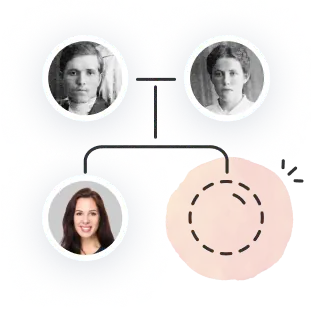
Start by adding a few names. Myheritage's automatic matching technology will help you expand your family tree and delight you with new discoveries.

Reveal your ethnic origins and find relatives you never knew existed with our simple DNA kit.
Dive into MyHeritage's international collection of 36.7 billion historical records - start with a name of an ancestor and see what our collections can reveal about your family history.
About MyHeritage

MyHeritage is the leading global platform for family history. It enriches the lives of people worldwide by enabling them to uncover more about themselves and where they belong. With a suite of intuitive products, billions of historical records, an affordable at-home DNA test, and AI-powered photo tools, MyHeritage creates a meaningful discovery experience that is deeply rewarding. The MyHeritage platform is enjoyed by tens of millions of people around the world who treasure and celebrate their heritage.