Name Directory by Last Name: Dorothy Kandle - Rebecca Kaplowitz
Explore millions of names to discover rich genealogical details and uncover your family's history
Enter a name to research
Last name meanings and origins
- Kane
The surname Kane has its historical roots primarily in Ireland, deriving from the Gaelic name "O'Cathain," which means "descendant of Cathan." The name Cathan itself is believed to be derived from the word "cath," meaning "battle." The O'Cathain clan was historically associated with the province of Ulster, particularly in County Antrim, where they were known as a prominent family. Over time, the surname evolved, with variations appearing in different regions, and it became anglicized to Kane.
- Kaplan
The surname Kaplan has its roots in the Hebrew word "kaplan," which means "falcon" or "hawk." Historically, it is believed to have originated among Jewish communities in Eastern Europe, particularly in Poland and Russia, where it was often adopted by families engaged in occupations related to the natural world, such as hunting or falconry. The name may also have been used metaphorically to signify someone with keen insight or sharp intellect, traits associated with the bird of prey.
- Kantor
The surname Kantor has its historical roots in Eastern Europe, particularly among Jewish communities, where it is derived from the Yiddish word "kantor," meaning "cantor" or "one who sings." This title was traditionally given to individuals who led prayers and sung in synagogues, indicating a role of spiritual leadership and musical skill within the community. The surname likely emerged in the Middle Ages, as Jewish communities began to adopt surnames for identification purposes, particularly in the 18th and 19th centuries during periods of increased regulation and record-keeping.
- Kaneko
The surname Kaneko has its historical roots in Japan, where it is believed to have originated during the feudal period. The name is derived from the Japanese words "kane," meaning "gold," and "ko," which can mean "child" or "small." This suggests a possible association with wealth or preciousness, indicating that the original bearers of the name may have had connections to goldsmithing or other occupations related to wealth and trade.
- Kang
The surname Kang has its historical roots primarily in East Asia, particularly in Korea and China. In Korea, the surname Kang (강) is one of the most common family names, believed to have originated from various clans, including the Gyeongju Kang clan, which traces its lineage back to the Silla dynasty (57 BC – 935 AD).
- Kann
The surname Kann has its historical roots primarily in the Jewish communities of Central and Eastern Europe, particularly among Ashkenazi Jews. The name is believed to derive from the Yiddish word "kan," meaning "to be able" or "to be capable," which may have originally referred to a person's skills or abilities.
- Kangas
The surname Kangas has its roots in Finland, where it is derived from the Finnish word "kangas," meaning "a sandy or dry area" or "a heath." This geographical connection suggests that the name may have originally been used to describe individuals who lived near or worked in such landscapes, possibly as farmers or laborers in the region's unique terrain. The surname is believed to have first appeared in the late Middle Ages, with its usage becoming more prominent in the 17th and 18th centuries as surnames became more standardized in Finland.
- Kanter
The surname Kanter has its historical roots in various European cultures, particularly in Jewish communities, where it is often associated with the Yiddish word "kantsor," meaning "cantor" or "singer." This connection suggests that the name may have originally been given to individuals who held the role of a religious singer or leader in synagogue services, a position of respect and significance within the community. The surname can be traced back to the medieval period, with its earliest appearances noted in Eastern Europe, particularly in regions that are now part of Poland and Ukraine.
- Kania
The surname Kania has its roots in Eastern Europe, particularly in Poland, where it is believed to have originated. The name is derived from the Polish word "kania," which translates to "harrier" or "hawk," suggesting a connection to nature and possibly indicating the occupation of hunting or falconry among early bearers of the name.
- Kant
The surname Kant has its historical roots in the German-speaking regions of Europe, particularly associated with the word "Kante," which means "edge" or "border." The name likely originated as a topographical surname, denoting individuals who lived near a geographical feature such as a riverbank or a boundary. The earliest records of the surname date back to the medieval period, with variations appearing in different regions.
- Kantner
The surname Kantner has its historical roots in Central Europe, particularly in German-speaking regions. It is believed to derive from the Middle High German word "kante," meaning "edge" or "border," which may have originally referred to someone living near a boundary or a geographical feature such as a riverbank or hillside.
- Kano
The surname Kano has historical roots that can be traced back to various cultures, particularly in Japan and parts of Africa. In Japan, the name is often associated with the Kanō school of painting, which flourished during the Edo period (1603-1868) and was known for its distinctive style that blended traditional Japanese and Chinese influences.
- Kanters
The surname Kanters has its historical roots primarily in the Netherlands and Belgium, where it is believed to have originated as a patronymic surname derived from the given name "Kanter," which itself may have been derived from the Middle Dutch word "kanter," meaning "singer" or "chanter." The name likely first appeared in the late medieval period, around the 14th to 15th centuries, as surnames began to be adopted more widely in Europe. Over time, individuals bearing the surname Kanters may have been associated with occupations related to music or performance, reflecting the meaning of their name.
- Kansas
The surname "Kansas" has its roots in the Native American Kansa tribe, which inhabited the region now known as Kansas in the United States. The name itself is derived from the Kansa word "kansa," meaning "people of the south wind." The Kansa tribe was known for their agricultural practices and their role in the trade networks of the Great Plains.
- Kanner
The surname Kanner has its historical roots primarily in the German-speaking regions of Europe, where it is believed to have originated as a variant of the name "Kanner," which translates to "child" or "youngster" in Middle High German. This surname likely emerged in the medieval period, reflecting a common practice of using descriptive terms or occupations as surnames.
- Kanin
The surname Kanin has its roots in Eastern Europe, particularly within Slavic regions, where it is believed to have originated as a toponymic surname, derived from geographical features or locations. The name is thought to be linked to the word "kanin," which can refer to a type of marsh or wetland, suggesting that the early bearers of the name may have lived near such landscapes.
- Kapler
The surname Kapler has its historical roots in Central and Eastern Europe, particularly among German-speaking populations. It is believed to derive from the Middle High German word "kappler," which translates to "chaplain" or "clerk," indicating a connection to religious or administrative roles within communities.
- Kantrowitz
The surname Kantrowitz has its roots in Eastern European Jewish communities, particularly among Ashkenazi Jews. It is derived from the Yiddish or Hebrew elements, with "Kant" possibly relating to "Kantor," which means "cantor" or "singer," a role often associated with Jewish religious services.
- Kantz
The surname Kantz has its historical roots in Central and Eastern Europe, particularly among German-speaking populations. It is believed to derive from the Middle High German word "kante," meaning "edge" or "border," which may have originally referred to someone living near a border or a geographical feature such as a riverbank.
- Kanzler
The surname Kanzler has its roots in the German-speaking regions of Europe, deriving from the Middle High German word "kanzler," which means "chancellor" or "secretary." Historically, the term was used to denote a high-ranking official or administrator, often associated with the royal court or government. The surname likely emerged in the medieval period, when individuals in positions of power and influence began to adopt titles as surnames.
- Kanouse
The surname Kanouse has its roots in early American history, particularly among the Dutch settlers in the 17th century. It is believed to have originated from the Dutch surname "Kanouse," which may derive from a geographical feature or a personal name.
- Kannenberg
The surname Kannenberg has its roots in Germanic origins, specifically deriving from the combination of the words "Kanne," meaning "jug" or "pot," and "Berg," meaning "mountain" or "hill." This suggests that the name may have originally referred to a geographical feature or a location where pottery or jug-making was prominent, possibly indicating the occupation of the early bearers as potters or artisans. The surname first appeared in historical records in the late medieval period, particularly in regions of Germany where such crafts were common.
- Kanno
The surname Kanno has its roots in Japan, where it is believed to have originated from the combination of the characters "kan" (環), meaning "ring" or "circle," and "no" (野), which translates to "field" or "wild." This suggests a connection to nature or agricultural practices, possibly indicating that the early bearers of the name were involved in farming or lived near fields. The surname Kanno can be traced back to various regions in Japan, particularly in the Kanto area, where it has been documented since the Edo period (1603-1868).
- Kanne
The surname Kanne has its historical roots primarily in Germany, where it is believed to have originated as a topographic name for someone living near a "Kanne," which translates to "jug" or "pot" in German. This could refer to a geographical feature resembling a jug or a location associated with pottery or water.
- Kao
The surname Kao has its historical roots primarily in East Asia, particularly in China, where it is often associated with the Han ethnic group. The name is believed to derive from the Chinese character 高, which means "tall" or "high," and it has been used as both a given name and a surname.
- Kaper
The surname Kaper has its historical roots primarily in Eastern Europe, particularly among Jewish communities. The name is believed to derive from the Yiddish word "kaper," which means "to cover" or "to conceal," possibly relating to occupations or roles that involved protection or safeguarding.
- Kandler
The surname Kandler has its historical roots in Central Europe, particularly in German-speaking regions. It is believed to derive from the Middle High German word "kandel," which refers to a candle or light, suggesting that the name may have originally been associated with someone who made or sold candles, or perhaps a person who was a light-bringer in a metaphorical sense.
- Kapfer
The surname Kapfer has its historical roots in Germany, where it is believed to have originated as a topographic name for someone who lived near a "Kapfer," which translates to a "cattle fold" or "enclosure." This suggests that the early bearers of the surname were likely involved in pastoral activities, reflecting a lifestyle closely tied to agriculture and animal husbandry. The name may also derive from the Middle High German word "kaphar," meaning "to capture," which could indicate a role related to hunting or gathering.
- Kaneda
The surname Kaneda has its roots in Japan, where it is believed to have originated from the combination of the kanji characters "金" (kana), meaning "gold," and "田" (da), meaning "rice field." This suggests a historical connection to agriculture and wealth, as rice fields were vital to the economy and sustenance of Japanese society. The surname likely first appeared in the Kanto region, where many families engaged in rice cultivation.
- Kaney
The surname Kaney has its historical roots primarily in England, where it is believed to have originated as a locational surname. It is thought to derive from the Old English word "cana," meaning "a small river" or "a stream," indicating that the original bearers of the name may have lived near such a geographical feature.
- Kaplin
The surname Kaplin has its historical roots in Eastern Europe, particularly among Jewish communities. It is believed to derive from the Yiddish word "kapl," which means "priest" or "chaplain," indicating a possible connection to religious roles within the community.
- Kapanen
The surname Kapanen has its roots in Finland, where it is believed to have originated from the Finnish word "kapanen," which translates to "small cap" or "little hat." This surname likely emerged in the late medieval period, around the 15th to 16th centuries, as a descriptive name for individuals who may have been associated with a particular trade or craft, possibly related to headwear or clothing. Over time, Kapanen became more established as a family name, particularly in the regions of Finland where Finnish culture and language were predominant.
- Kapinos
The surname Kapinos has its roots in Eastern Europe, particularly within Slavic regions, and is believed to have originated from the Polish or Ukrainian language. The name is thought to derive from the word "kapin," which translates to "a small cap" or "hat," possibly indicating a trade or occupation related to headwear or a specific regional attire.
- Kanitz
The surname Kanitz has its historical roots in Central and Eastern Europe, particularly in regions that are now part of Germany and Poland. The name is believed to derive from the Slavic word "kan," which means "canal" or "waterway," suggesting a geographical connection to areas near rivers or lakes.
- Kanz
The surname Kanz has its historical roots primarily in Germany, where it is believed to have originated as a variant of the name "Kanzler," which translates to "chancellor" in English. This occupational surname likely referred to individuals who held positions of authority or administrative roles within local governments or ecclesiastical institutions.
- Kaner
The surname Kaner has its historical roots primarily in Eastern Europe, particularly among Jewish communities. It is believed to derive from the Yiddish word "kaner," which translates to "a singer" or "a musician," indicating that the original bearers of the name may have been involved in music or performance.
- Kaplowitz
The surname Kaplowitz has its roots in Eastern Europe, particularly among Ashkenazi Jewish communities. It is derived from the Yiddish word "kaplitz," which refers to a small town or village, and is often associated with the name of a specific place, such as Kaplitz in Poland.
- Kapke
The surname Kapke has its historical roots in Eastern Europe, particularly in regions that are now part of Poland and Ukraine. It is believed to derive from the Slavic word "kapka," meaning "drop" or "small drop," which may have originally referred to a geographical feature, such as a small stream or a droplet of water.
- Kanis
The surname Kanis has its historical roots primarily in the Netherlands, where it is believed to have originated as a patronymic surname derived from the given name "Kane" or "Kaan," which itself may have Celtic or Old Norse origins, meaning "warrior" or "battle." The earliest records of the surname can be traced back to the 17th century, during a time when surnames were becoming more standardized in Europe. As families began to adopt fixed surnames, those bearing the name Kanis often found themselves associated with agricultural or artisan occupations, reflecting the agrarian society of the time.
- Kap
The surname Kap has its historical roots in Eastern Europe, particularly among Slavic populations. It is believed to derive from the word "kap," which means "to capture" or "to seize" in some Slavic languages, suggesting that the name may have originally been associated with a person who was a hunter or someone who captured animals.
Start your family tree for free
Start by entering a few names and MyHeritage will do the rest, so you can make meaningful discoveries

Explore historical records

Explore 1,810,427,080 census and voter list records to get a detailed snapshot of your ancestors' lives. Discover names, ages, occupations, family relationships, residences, and much more.

Explore 4,647,704,406 birth, marriage, and death records. Uncover valuable details about major family milestones and find names, dates, places, occupations, and residences of your ancestors and relatives.

Search 266,544,192 military records and discover the stories of courage and resilience in your family history. Military records include enlistment dates, ranks, locations, and even physical descriptions.








Embark on a fascinating journey to discover your family history
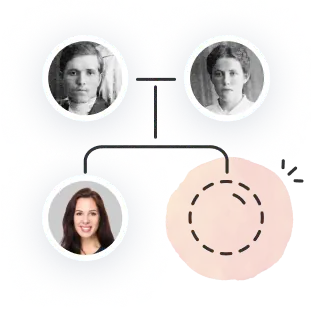
Start by adding a few names. Myheritage's automatic matching technology will help you expand your family tree and delight you with new discoveries.

Reveal your ethnic origins and find relatives you never knew existed with our simple DNA kit.

Dive into MyHeritage's international collection of 36.7 billion historical records - start with a name of an ancestor and see what our collections can reveal about your family history.
About MyHeritage

MyHeritage is the leading global platform for family history. It enriches the lives of people worldwide by enabling them to uncover more about themselves and where they belong. With a suite of intuitive products, billions of historical records, an affordable at-home DNA test, and AI-powered photo tools, MyHeritage creates a meaningful discovery experience that is deeply rewarding. The MyHeritage platform is enjoyed by tens of millions of people around the world who treasure and celebrate their heritage.