Name Directory by First Name: Wilma Schwaab - Wilma Toews
Explore millions of names to discover rich genealogical details and uncover your family's history
Enter a name to research
Last name meanings and origins
- Smith
The surname Smith has deep historical roots, tracing back to Old English origins, where it is derived from the word "smitan," meaning "to smite" or "to hit." This etymology suggests a connection to the occupation of a blacksmith, a vital trade in medieval society, responsible for crafting tools, weapons, and horseshoes. The surname first appeared in written records in England during the 12th century, and its prevalence grew as the blacksmith's role became essential in both rural and urban communities.
- Taylor
The surname Taylor has its roots in medieval England, deriving from the Old French word "tailleur," meaning "to cut," which referred to a tailor or someone who made garments. The name first appeared in the 12th century, particularly in the aftermath of the Norman Conquest of 1066, when many French words entered the English language.
- Thomas
The surname Thomas has deep historical roots, tracing back to the Aramaic name "Te'oma," meaning "twin." It gained prominence in the Christian world due to Saint Thomas, one of the twelve apostles of Jesus, which led to its widespread adoption in various forms across Europe. The name first appeared in written records in the 12th century, particularly in England and France, where it was often used as a given name before evolving into a surname.
- Thompson
The surname Thompson has its historical roots in England, deriving from the medieval given name "Tom," a diminutive of Thomas, which means "twin" in Aramaic. The name first appeared in written records in the 13th century, with its earliest instances found in Yorkshire and other northern counties.
- Scott
The surname Scott has its historical roots in Scotland, deriving from the Old English word "Scottas," which referred to the Gaelic-speaking people of Ireland. The name first appeared in written records in the 12th century, particularly associated with the Scottish Borders region.
- Stewart
The surname Stewart has its origins in medieval Scotland, deriving from the Old English term "stiward," meaning steward or guardian. The name first appeared in the 12th century, associated with the office of steward to the Scottish kings, particularly under the reign of David I.
- Shaw
The surname Shaw has its historical roots in the Old English and Old Norse languages, deriving from the word "sceaga," which means "a thicket" or "a grove." This suggests that the name was likely first used to describe individuals who lived near or worked in wooded areas. The surname can be traced back to medieval England, with early records appearing in the 13th century, particularly in regions such as Lancashire and Yorkshire.
- Sullivan
The surname Sullivan has its roots in Ireland, deriving from the Gaelic "O'Suileabhain," which means "descendant of Suileabhain." The name Suileabhain itself is believed to be derived from the elements "súil," meaning "eye," and "abhain," meaning "river," suggesting a possible meaning of "hawk-eyed" or "one who lives by the river." The surname first appeared in historical records in the 11th century, particularly in the province of Munster, where the O'Suileabhain clan was prominent. Over time, the Sullivans became known as a significant Gaelic family, with members often taking on roles as warriors, landowners, and leaders within their communities.
- Stevens
The surname Stevens has its roots in the medieval period, deriving from the given name Stephen, which itself comes from the Greek name "Stephanos," meaning "crown" or "garland." The name became popular in England after the Norman Conquest of 1066, as many Normans bore the name. The surname Stevens is classified as a patronymic surname, indicating "son of Stephen." Over time, it became associated with various occupations, particularly in the context of the church, as St.
- Simpson
The surname Simpson has its historical roots in England and Scotland, deriving from the medieval given name "Simpson," which means "son of Simon." The name Simon itself has Hebrew origins, meaning "he has heard." The surname first appeared in written records in the 13th century, with its usage becoming more widespread in the following centuries. Occupations associated with early bearers of the name often included farming and trades, reflecting the agrarian society of the time.
- Stone
The surname Stone has deep historical roots, primarily derived from the Old English word "stan," meaning "stone." It first appeared in England during the medieval period, with records dating back to the 12th century. The name was often occupational, referring to those who worked with stone, such as stonemasons or builders, reflecting the importance of stone in construction and architecture during that era.
- Spencer
The surname Spencer has its historical roots in England, deriving from the Old French word "despensier," which means "steward" or "dispenser of provisions." It first appeared in the medieval period, particularly in the 12th century, when it was used to denote individuals who managed the household or estate of a noble family. Over time, the surname became associated with various occupations, particularly in the context of managing supplies and provisions, which were crucial for the functioning of large estates.
- Simmons
The surname Simmons has its historical roots in the patronymic tradition, deriving from the given name Simon, which itself comes from the Hebrew name Shimon, meaning "he has heard." The surname first appeared in England during the medieval period, with records dating back to the 13th century. As a patronymic surname, it indicated "son of Simon," and was often associated with individuals who held various occupations, including farming and trades.
- Snyder
The surname Snyder has its roots in the German and Dutch languages, deriving from the Middle High German word "snîder," which means "tailor." This occupational surname first appeared in the regions of Germany and the Netherlands during the medieval period, particularly in the 13th century. As a surname, Snyder was often associated with individuals who worked as tailors or in related trades, reflecting the importance of textile production and clothing in medieval society.
- Simon
The surname Simon has deep historical roots, tracing back to the Hebrew name "Shim'on," which means "he has heard." It first appeared in various forms across Europe, particularly in the Middle Ages, as Jewish communities began to adopt surnames for identification purposes. The name Simon became prominent in Christian contexts as well, often associated with figures in the New Testament, such as Simon Peter, one of Jesus' apostles.
- Stevenson
The surname Stevenson has its roots in the medieval period, primarily in England and Scotland. It is a patronymic surname derived from the given name "Stephen," which itself comes from the Greek name "Stephanos," meaning "crown" or "garland." The earliest recorded instances of the surname date back to the 13th century, with variations appearing in historical documents as "Stevenson" and "Stevens." The name was often associated with individuals who held positions of social importance, such as landowners or clerics, reflecting the common practice of naming children after their fathers.
- Stephens
The surname Stephens has its roots in the given name Stephen, which is derived from the Greek name "Stephanos," meaning "crown" or "garland." Historically, the surname first appeared in England during the medieval period, with records dating back to the 12th century. It was often associated with individuals who held positions of significance within the church or local governance, as St.
- Todd
The surname Todd has its historical origins in medieval England and Scotland, deriving from the Old English word "todde," which means "fox." This association with the fox likely reflects characteristics such as cunning or agility, traits that were admired in both animals and humans. The surname first appeared in written records in the 13th century, particularly in the northern regions of England and southern Scotland, where the fox was a common animal in the landscape.
- Sherman
The surname Sherman has its historical roots in the Old English term "sherman," which referred to a "shearer" or "shepherd," indicating a profession related to sheep farming and wool production. This occupational surname first appeared in England during the medieval period, particularly in the 12th century, as the wool trade became a significant part of the economy.
- Sharp
The surname Sharp has its historical roots in medieval England, deriving from the Old English word "scearp," which means "sharp" or "keen." It is believed to have first appeared in the 13th century, often as a nickname for someone with a sharp wit or a keen intellect, or possibly for a person who was particularly skilled in a trade, such as a sharpener of tools or weapons. Over time, the surname became hereditary, with individuals bearing the name often associated with various occupations, including blacksmithing and craftsmanship.
- Thomson
The surname Thomson has its roots in Scotland and England, deriving from the given name Thomas, which itself comes from the Aramaic name "Te'oma," meaning "twin." The surname first appeared in the medieval period, with records dating back to the 13th century. It was commonly used as a patronymic surname, indicating "son of Thomas." Over time, the name became associated with various occupations, particularly in agriculture and trade, as many Thomsons were involved in farming or local commerce.
- Steele
The surname Steele has its historical roots in England, deriving from the Old English word "stæle," which means "steel." This occupational surname likely originated in the medieval period, around the 12th century, and was associated with individuals who worked with metal, particularly blacksmiths or those involved in the production of steel goods. The name reflects the importance of metalworking in medieval society, where the ability to forge tools and weapons was crucial.
- Stanley
The surname Stanley has its roots in England, deriving from the Old English elements "stan," meaning stone, and "leah," meaning clearing or meadow. This suggests that the name originally referred to someone who lived near a stony clearing or meadow.
- Thornton
The surname Thornton has its historical roots in England, deriving from the Old English elements "thorn," referring to the thorn bush, and "tun," meaning an enclosure or settlement. This suggests that the name originally denoted someone who lived near a thorny enclosure or settlement.
- Sutton
The surname Sutton has its origins in England, deriving from the Old English words "sūth," meaning "south," and "tūn," meaning "town" or "settlement." This suggests that the name was originally given to individuals or families residing in a southern settlement or town. The earliest recorded instances of the surname date back to the 12th century, with various locations in England bearing the name Sutton, such as Sutton in Surrey and Sutton Coldfield in Warwickshire.
- Stuart
The surname Stuart has its origins in medieval Scotland, deriving from the Old French word "steward," which referred to a person responsible for managing a household or estate. The name first appeared in the 12th century, associated with the royal court, particularly with the lineage of the High Stewards of Scotland.
- Shepherd
The surname Shepherd has its historical roots in the Old English word "sceaphierde," which translates to "sheep herder" or "shepherd." This occupational surname first appeared in England during the medieval period, particularly in the 12th century, as a way to identify individuals based on their profession. The role of a shepherd was vital in agrarian societies, where sheep farming was a significant part of the economy, providing wool, meat, and milk.
- Terry
The surname Terry has its historical roots in medieval England, deriving from the Old French name Thierry, which itself comes from the Germanic name Theodoric, meaning "ruler of the people." The name first appeared in England after the Norman Conquest of 1066, as many French names were introduced into the English lexicon. Over time, the surname Terry became associated with various occupations, particularly in the context of land ownership and agriculture, as many bearers of the name were likely to have been landholders or farmers.
- Swanson
The surname Swanson has its historical roots in Scandinavia, particularly in Sweden, where it is derived from the patronymic form of the given name "Sven," meaning "young man" or "youth." The suffix "-son" indicates "son of," thus Swanson essentially means "son of Sven." This naming convention was common in Nordic cultures, where surnames often reflected lineage and familial connections. The surname began to appear in written records in the late Middle Ages, with its usage becoming more standardized in the 19th century as surnames became fixed in many European countries.
- Skinner
The surname Skinner has its historical roots in medieval England, deriving from the Old French word "eskinier," which means "a skinner" or "one who skins animals." This occupational surname first appeared in the 13th century, particularly in regions where the leather trade was prominent, such as Yorkshire and London. As a trade-based surname, it reflects the social roles of those who bore it, often indicating a connection to the leather industry, which was vital for clothing and armor during that period.
- Schwartz
The surname Schwartz has its roots in the German and Yiddish languages, deriving from the word "schwarz," which means "black." Historically, it is believed to have originated in the medieval period, particularly in the German-speaking regions of Europe, where surnames often reflected physical characteristics, occupations, or geographical features. The name may have been used to describe individuals with dark hair or a darker complexion, or it could have been associated with occupations related to the color black, such as a dyer or a worker in coal.
- Sutherland
The surname Sutherland has its roots in Scotland, specifically in the northern region known as Sutherland, which is derived from the Old Norse term "Suðrland," meaning "southern land." This name was used to describe the area south of the Dornoch Firth, and it first appeared in historical records during the 12th century. The Sutherland family rose to prominence in the medieval period, with the first recorded chief being Hugh de Moravia, who was granted lands in the region by King David I of Scotland.
- Sinclair
The surname Sinclair has its historical roots in medieval Scotland, deriving from the Old French "Saint Clair," which translates to "holy light." The name first appeared in the 12th century, associated with the Norman conquest of England and the subsequent settlement in Scotland. The Sinclairs were granted lands in Caithness and Orkney, where they played significant roles as feudal lords and landowners.
- Sims
The surname Sims has its historical roots in England, deriving from the medieval given name "Sim," which is a diminutive of "Simon." The name Simon itself comes from the Hebrew name "Shim'on," meaning "he has heard." The surname first appeared in written records in the 13th century, with variations such as "Simmes" and "Simson" also noted. Over time, the surname became associated with various occupations, particularly in agriculture and trades, as many bearers of the name were likely to have been farmers or craftsmen.
- Stephenson
The surname Stephenson has its historical roots in England, deriving from the medieval given name "Stephen," which itself comes from the Greek name "Stephanos," meaning "crown" or "garland." The surname first appeared in written records in the 12th century, often as a patronymic, indicating "son of Stephen." As a result, it became associated with various occupations and social roles, particularly in agrarian communities where lineage and family ties were significant. Over time, the name evolved, with variations such as Stevenson and Stephenson emerging, reflecting regional dialects and linguistic shifts.
- Small
The surname Small has its historical roots primarily in England and Scotland, with its earliest appearances dating back to the medieval period. The name is derived from the Old English word "smae," meaning "small" or "little," which likely referred to a person's stature or perhaps a diminutive form of a given name.
- Short
The surname Short has its historical roots primarily in England, where it is believed to have originated as a nickname for someone of short stature or possibly as a descriptor for a person with a short temper. The earliest recorded instances of the surname date back to the 13th century, with variations appearing in different regions.
- Snow
The surname Snow has its historical roots in England, with its earliest appearances dating back to the medieval period. It is derived from the Old English word "sneaw," meaning "snow," and was likely used as a nickname for someone with very pale skin or hair, or perhaps for someone who lived in a snowy region.
- Strong
The surname Strong has its historical roots in medieval England, deriving from the Old English word "strang," which means "strong" or "powerful." It first appeared in written records in the 12th century, often as a nickname for individuals who exhibited physical strength or resilience. Over time, the surname became associated with various occupations, particularly in the context of labor-intensive roles such as blacksmithing or construction, where physical prowess was essential.
- Shields
The surname Shields has its historical origins in the British Isles, particularly in England and Scotland. It is derived from the Old English word "scield," meaning "shield," which was used to denote a person who made or sold shields, or perhaps someone who was a protector or warrior.
Start your family tree for free
Start by entering a few names and MyHeritage will do the rest, so you can make meaningful discoveries

Explore historical records

Explore 1,810,427,080 census and voter list records to get a detailed snapshot of your ancestors' lives. Discover names, ages, occupations, family relationships, residences, and much more.

Explore 4,647,704,406 birth, marriage, and death records. Uncover valuable details about major family milestones and find names, dates, places, occupations, and residences of your ancestors and relatives.

Search 266,544,192 military records and discover the stories of courage and resilience in your family history. Military records include enlistment dates, ranks, locations, and even physical descriptions.






Embark on a fascinating journey to discover your family history
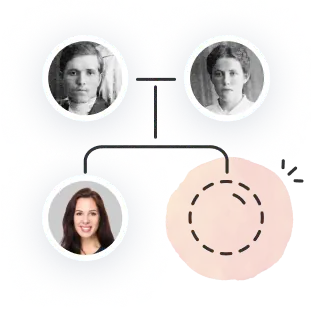
Start by adding a few names. Myheritage's automatic matching technology will help you expand your family tree and delight you with new discoveries.

Reveal your ethnic origins and find relatives you never knew existed with our simple DNA kit.
Dive into MyHeritage's international collection of 36.7 billion historical records - start with a name of an ancestor and see what our collections can reveal about your family history.
About MyHeritage

MyHeritage is the leading global platform for family history. It enriches the lives of people worldwide by enabling them to uncover more about themselves and where they belong. With a suite of intuitive products, billions of historical records, an affordable at-home DNA test, and AI-powered photo tools, MyHeritage creates a meaningful discovery experience that is deeply rewarding. The MyHeritage platform is enjoyed by tens of millions of people around the world who treasure and celebrate their heritage.